Intake Manifold Vacuum Leak Videos By Creators #959
Unlock Now intake manifold vacuum leak prime webcast. Without any fees on our streaming service. Get swept away by in a ocean of videos of content exhibited in superb video, perfect for elite streaming junkies. With content updated daily, you’ll always know what's new. Locate intake manifold vacuum leak organized streaming in crystal-clear visuals for a sensory delight. Register for our digital hub today to stream private first-class media with completely free, access without subscription. Get access to new content all the time and discover a universe of original artist media tailored for deluxe media supporters. Don’t miss out on singular films—click for instant download! Enjoy top-tier intake manifold vacuum leak one-of-a-kind creator videos with brilliant quality and hand-picked favorites.
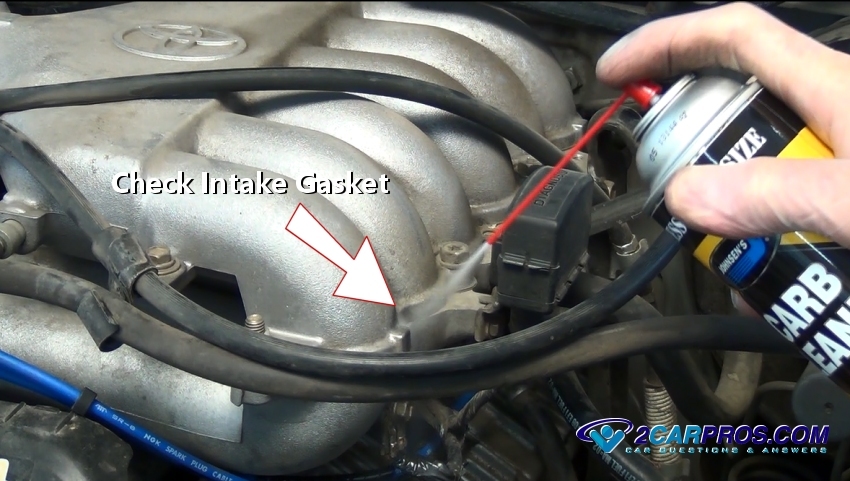
The most common causes of a vacuum leak are a cracked vacuum hose or a leaking intake manifold gasket These parts deteriorate over time and become brittle. It can also leak from the throttle body gasket or, in rare cases, a cracked intake manifold.
How to Find a Vacuum Leak in Under 15 Minutes
A vacuum leak can lead to various engine performance issues, including poor fuel efficiency, rough idling, and increased emissions The probable cause of a vacuum leak is a cracked intake hose or a break in one of the several rubber tubes connected to the intake manifold Understanding how to identify and fix a vacuum leak in an intake manifold is crucial for any car owner or enthusiast
This detailed article will guide you through the process of diagnosing and repairing vacuum leaks, ensuring your vehicle runs smoothly and.
A vacuum leak occurs when there's a leak somewhere in the engine, allowing unmetered air to enter the intake manifold, which can cause various problems A vacuum leak can be caused by a broken intake manifold, intake manifold gasket, throttle body, egr valve, and brake booster, or faulty vacuum hoses or lines. Discover essential techniques for mastering vacuum leak repair at the intake manifold with cleveland auto repair's comprehensive guide Benefit from expert tips, avoid common mistakes, and implement preventive maintenance to ensure optimal vehicle performance.
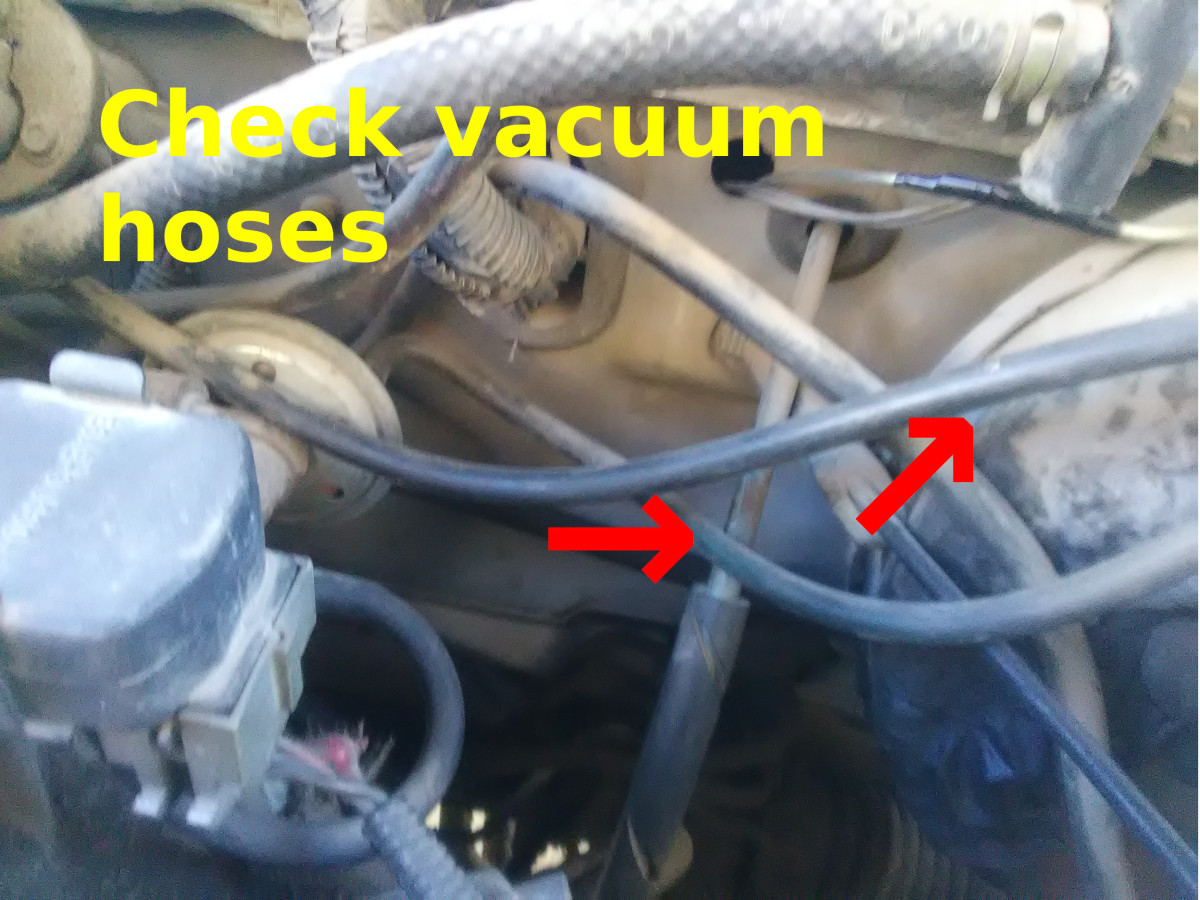
A vacuum leak is most often caused by a damaged plastic or rubber vacuum hose or lines or a leaky cracked intake manifold gasket Additionally, it might leak through your throttle body gasket or, in infrequent instances, a damaged intake manifold, positive crankcase ventilation (pcv) valve, egr valve, or a faulty brake booster. This problem is very common in many cars, including ford, toyota, chrysler and gm cars Plastic intake manifolds are especially prone to leaks
Read more about the intake manifold.
The intake manifold gasket provides the seal between the engine's intake manifold and the cylinder head If the gasket becomes damaged or worn, it can develop gaps, allowing air to enter the system and causing a vacuum leak The brake booster uses vacuum pressure to assist brake pedal. A vacuum leak is a hole or crack in the engine's intake manifold, vacuum hoses, or gaskets
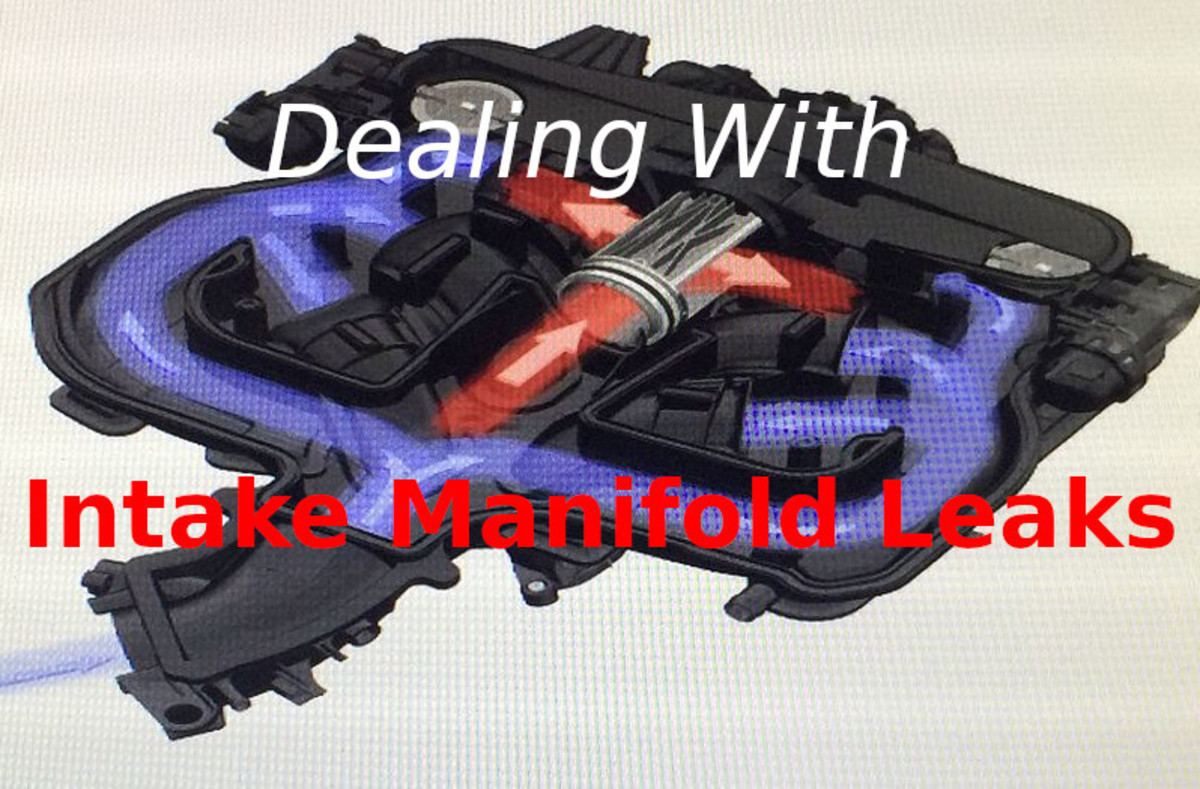
If there is a leak in any of these areas, it will cause the engine to run lean because it is not getting the proper mixture of air and fuel A lean engine can cause a number of problems, including decreased fuel economy, increased emissions, and engine damage There are several ways to detect a vacuum. Intake manifold leak diagnosis can be tricky
A leak may occur for more than one reason, including a disconnected vacuum hose
Here are a few simple techniques and steps to find the problem.