Type 3 Endoleak Latest File Updates #840
Jump In type 3 endoleak hand-selected playback. Complimentary access on our cinema hub. Become one with the story in a enormous collection of shows ready to stream in 4K resolution, optimal for select watching geeks. With the newest drops, you’ll always know what's new. Uncover type 3 endoleak selected streaming in gorgeous picture quality for a truly captivating experience. Access our online theater today to access one-of-a-kind elite content with no payment needed, no sign-up needed. Get access to new content all the time and browse a massive selection of bespoke user media perfect for choice media addicts. Seize the opportunity for distinctive content—get it in seconds! Discover the top selections of type 3 endoleak special maker videos with rich colors and curated lists.
An endoleak is the leaking of blood outside a stent graft and within an aneurysm sac Unlike type 1 and type 2 endoleaks which involve incorrect sealing or backflow, type 3 endoleak occurs due to an issue with the graft itself. Learn about the five types of endoleaks, how they are diagnosed and treated, and the risks of rupture.
Classification of endoleaks of fenestrated-branched endovascular aortic
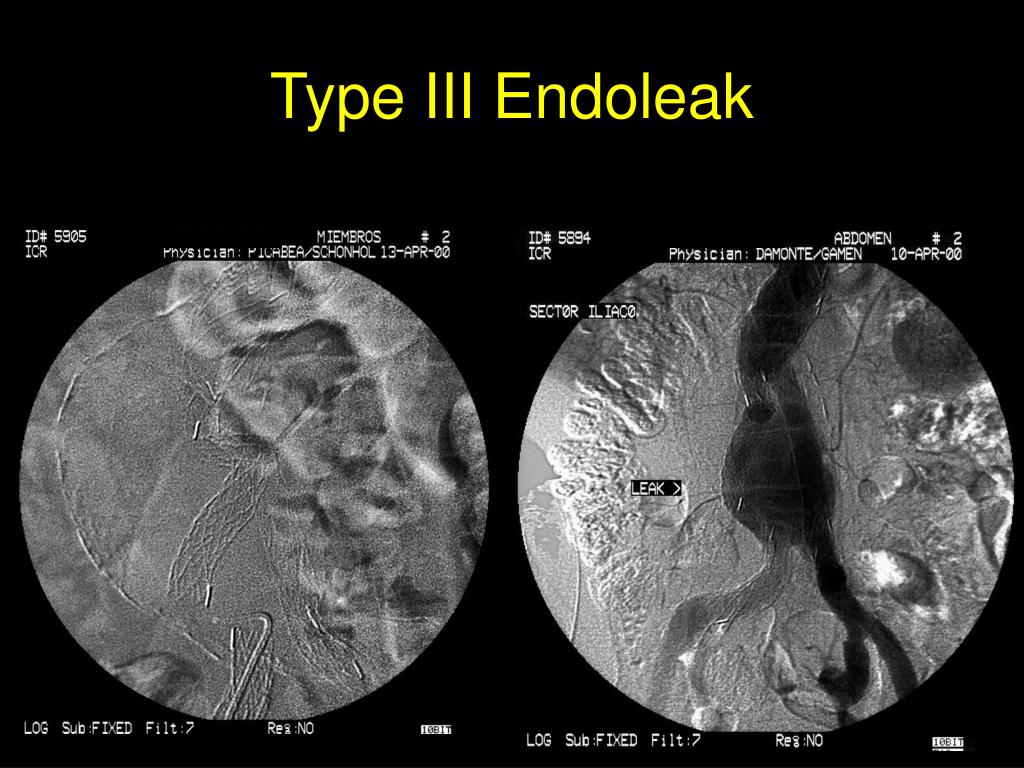
A type iii endoleak is a type of endoleak which usually occurs through a defect in the graft It refers to the presence of persistent blood flow within the aneurysm sac, despite the placement of an endograft It may be divided into two components
Junctional separation of the modular components iiib
Fractures or holes involving the endograft epidem. Abstract endoleak remains a significant challenge to endovascular aneurysm repair, particularly as evolving techniques and devices have allowed treatment of increasingly complex aneurysm anatomy with increasing number of device components Intervention is recommended for both type i and iii endoleaks due to their risk of rupture, and endovascular techniques are the favored modality with. A type iii endoleak results from a defect or misalignment between the components of endografts
Similar to what happens with a type i endoleak, a type iii causes systemic pressure within the aneurysm sac that increases the risk of sac rupture. Learn about the causes, symptoms, and treatment options for type iii endoleak, a rare but serious complication of endovascular aneurysm repair (evar) Find out how to identify and repair type iiia and iiib endoleaks with optimal imaging protocols and endovascular techniques. The objective of this study was to retrospectively assess the incidence, etiology, and management of type iii endoleaks in a large cohort of patients treated with endovascular aneurysm repair (evar) in two european university centers.

Understanding type iii endoleak risks & management type iii endoleak is a serious condition that can occur after endovascular repair of an abdominal aortic aneurysm
It is important to be aware of the symptoms, diagnosis, and treatment options for type iii endoleak to prevent complications and ensure proper management Diagnosing type iii endoleak requires specialized imaging techniques such. Type iii endoleak may appear at any time after endovascular aortic aneurysm repair (evar) Type 3 endoleak is a vascular complication that can occur after endovascular aneurysm repair